
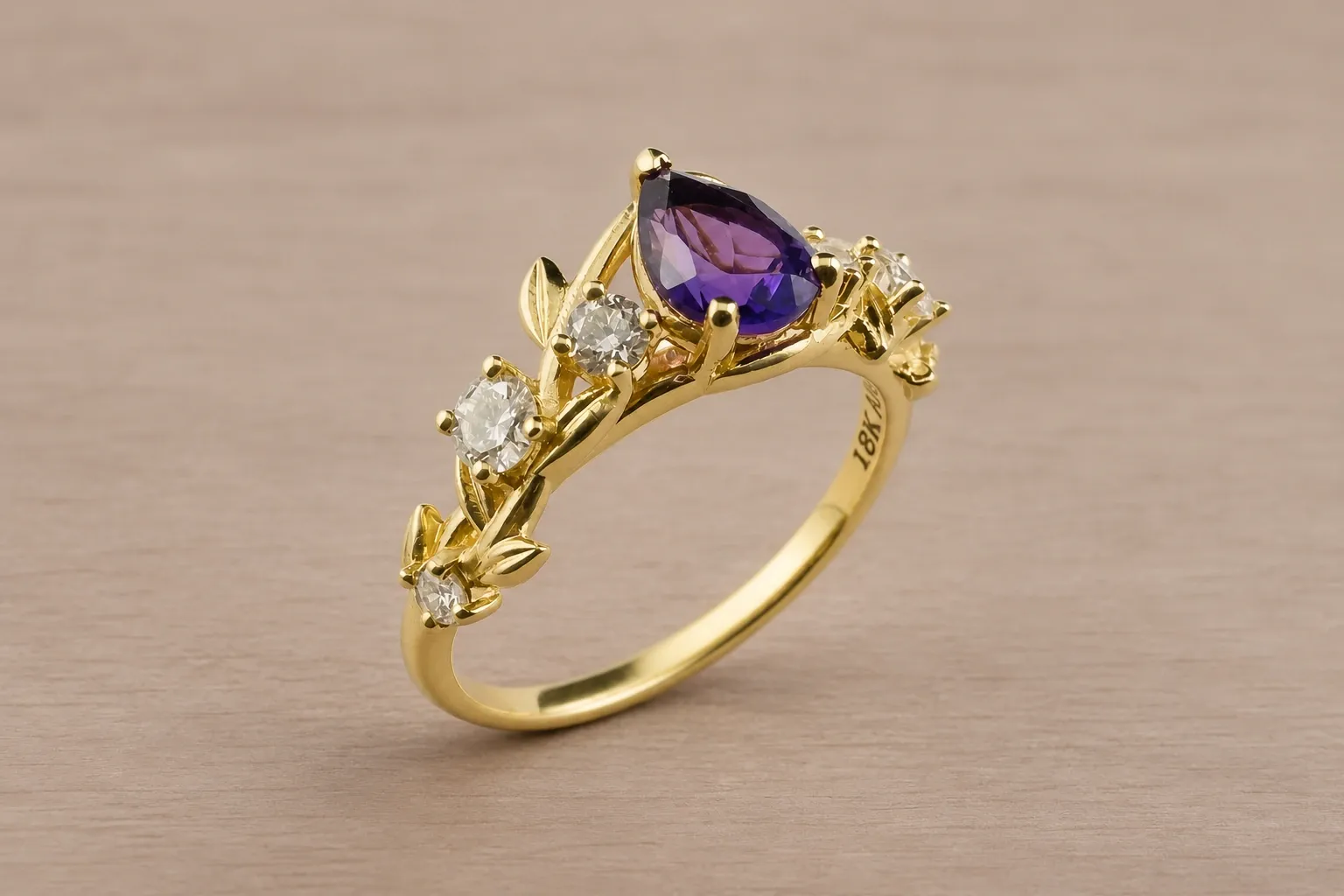
Start your custom jewellery budget with a total you feel comfortable spending, then decide which part of the piece matters most to you. I recommend bringing both to the first conversation. A favourite gemstone, a particular shape or the wish to wear the piece every day gives me a useful starting point for explaining the choices and their cost.
You do not need to price every component before you come in. You do need a sense of what you want the finished piece to do for you. A pendant built around a colour you love asks different things of a design than a ring you plan to wear every morning.
Set your custom jewellery budget before choosing every detail
Choose a spending limit that belongs to your life. A percentage of your income or someone else's ring budget tells me very little about the piece you want to create.
Start with a comfortable total. If you have a preferred amount and a firm ceiling, tell me both. The distinction is useful. A preferred amount leaves room to compare a choice that matters to you; a ceiling tells me where the conversation needs to stop.
I would also make clear whether your figure needs to cover the complete purchase, including applicable tax and any chain or other component you expect with it. A pendant alone and a pendant with a chain are different proposals. Defining the complete piece early makes later comparisons much easier.
Next, name the feature you would be disappointed to lose. Perhaps it is a deep purple stone, the feel of a substantial gold band or a setting with a small personal detail. Choose one design priority. That gives the budget a direction before a long list of attractive extras starts competing for it.
If you are choosing a gift, base that priority on what the person wears. Their favourite colour and preferred scale are more useful than a rule about how much an occasion deserves. Keep any deadline separate from the amount you want to spend, so I can discuss both clearly.
What changes the cost of a custom piece
A custom piece brings together the stones, the metal and the work needed to make the design. The balance changes with the piece. Two rings that look similar in a small photograph can have different materials, proportions and construction.
The gemstone
A stone's size is only one part of its value. For diamonds, GIA explains how cut, colour, clarity and carat weight work together. A carat is a measure of weight, so comparing carat figures alone does not compare the whole diamond.
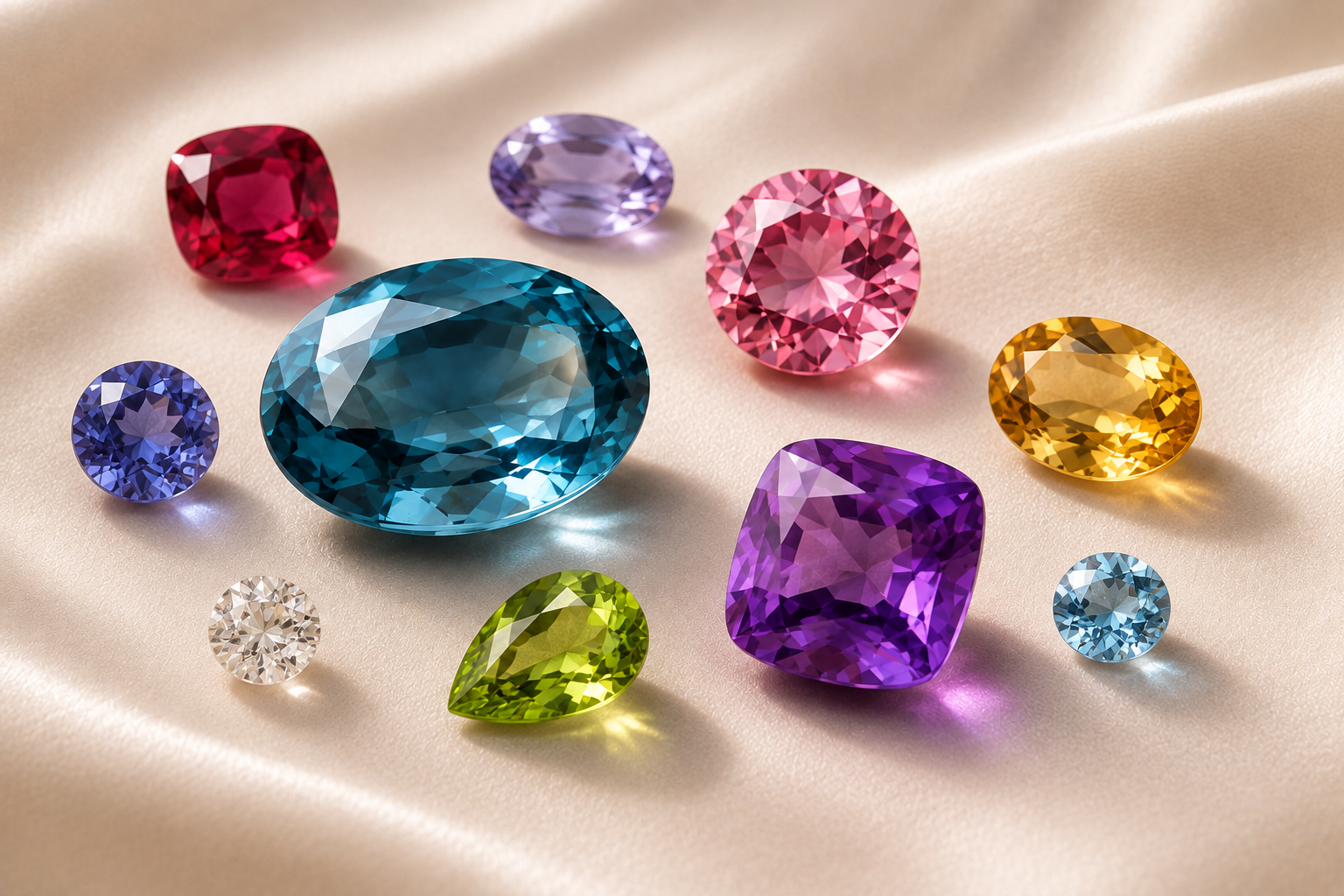
Compare the actual stones. Ask what distinguishes the options in front of you and which differences you can see. A larger number on a description is a poor substitute for understanding the appearance you prefer. Coloured gemstones also deserve a conversation about their individual qualities rather than a price assumption based only on the gem's name.
If a particular colour is the reason you want the piece, say that before narrowing the search by size. It helps me explain alternatives without losing the detail that drew you to the idea.
The metal and its form
The metal choice and the amount of metal belong in the cost discussion. A narrow band and a broad sculpted ring are different objects, even if both are yellow gold. The setting that holds a stone also forms part of the piece.
Keep the proportions in view. When considering a change, ask what it means for the look and feel of the finished jewellery. Reducing every dimension to lower a quote can leave you with a piece that no longer resembles the one you wanted.
I would discuss a different design approach before treating the thinnest possible version as the answer. The aim is to choose a piece you want to wear, with its construction considered as a whole.
The design and the making
Stone setting, shaping and finishing are work as well as materials. A group of small stones needs settings; a detailed surface needs its intended finish. A restrained-looking piece still needs careful making.
Simple still needs craftsmanship. If a design is above your budget, ask which details account for the difference. Removing an element you do not particularly want may be a useful change. Removing the feature you love most may defeat the reason for commissioning the piece.
For examples of the different forms a design can take, explore my custom jewellery portfolio. Use the pieces to identify what appeals to you, rather than assuming that a photograph establishes a current price.
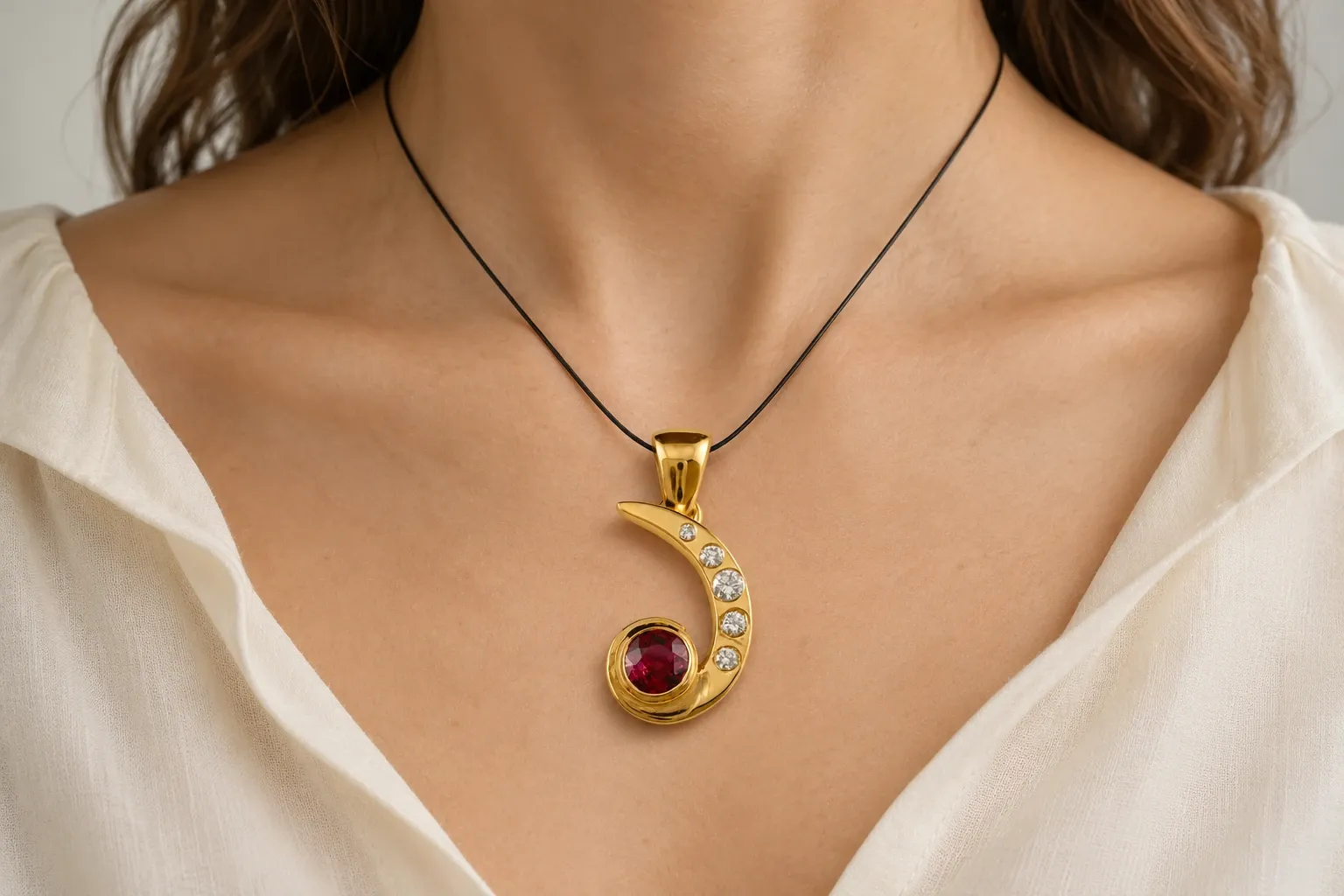
Choose what you want to keep
Before comparing alternatives, separate the details you want to preserve from the ones you are happy to discuss. This makes a budget conversation specific without requiring you to arrive with a finished design.
| If this matters most | Keep clear in the brief | A useful choice to discuss |
|---|---|---|
| A particular gemstone colour | The colour that draws you to the piece | Which actual stones give the appearance you want |
| The overall shape | The outline and scale you love | Whether surrounding detail needs to be as elaborate |
| A substantial feel | How the piece should feel when worn | A different design approach rather than simply thinning it |
| A personal detail | The feature that carries meaning | Where it belongs and which other details can be simpler |
| Everyday wear | How and when you expect to wear it | A construction and stone choice suited to that use |
Change one choice first. If you change the stone, metal and setting together, it becomes difficult to tell which change helped the budget and which changed the character of the piece.
For example, if the centre stone's colour is your priority, begin by discussing the surrounding design. If the broad gold shape is what you love, discuss the stone options before making the whole piece smaller. These are ways to organise the conversation, not promises that a particular substitution will cost less.
You can also decide that you would rather wait than change the idea. A budget helps you choose whether to proceed with a particular proposal. It does not oblige you to accept a version you no longer want.
Compare complete proposals
When looking at two quotes, check what each one includes before comparing the totals. Compare the same scope. A price for a setting alone is not directly comparable with a price that includes a centre stone.
Ask for enough detail to understand the proposal: the agreed stone, metal and design, plus any component you expect to receive. For diamond options, keep their quality descriptions beside the price. For a pendant, confirm whether the chain is included. Ask whether the total includes applicable tax.
Then ask how a design change would affect the quote and when the price will be confirmed. Do not assume another jeweller's deposit, revision or payment terms apply to your commission. Those are details to establish with the person making it.
In my design process, the budget conversation comes early. Once the design and materials are established, I provide a quote before work begins. My guide to your first custom jewellery consultation explains that stage if you would like to know what to expect.
Bring an existing stone without assuming a saving
If you have a diamond or gemstone you hope to use, bring it and any paperwork you have. An existing stone can give the new design a personal starting point. It also gives me something concrete to discuss with you.
Meaning comes before assumed savings. Owning the stone does not tell you what the complete new piece will cost. Its condition, the proposed setting and the work needed to incorporate it still matter. The same applies to old metal: establish whether it can be used or credited in the actual proposal rather than subtracting an estimated value yourself.
Keep the inherited piece intact for that first conversation. Tell me which part you want to carry forward and why. If your priority is to preserve the stone, the outline of the original piece may be flexible. If the original form matters, that calls for a different discussion.
A short brief to bring with you
Bring decisions, not a spreadsheet. A few clear notes can make the conversation more useful than a collection of unrelated prices.
- Write down your preferred total and your firm ceiling, including anything you expect that amount to cover.
- Name the piece and how you hope to wear it, or who the gift is for.
- Choose the detail you most want to keep and the details you are happy to reconsider.
- Bring a small selection of photographs, plus any existing jewellery or stones you want to discuss.
- Note the date you have in mind and ask what is realistic before committing to an occasion.
If the piece is for Christmas or another fixed date, start that conversation early. My custom jewellery timeline guide explains the stages involved. A budget decision and a delivery decision both need to suit the actual commission.
FAQ
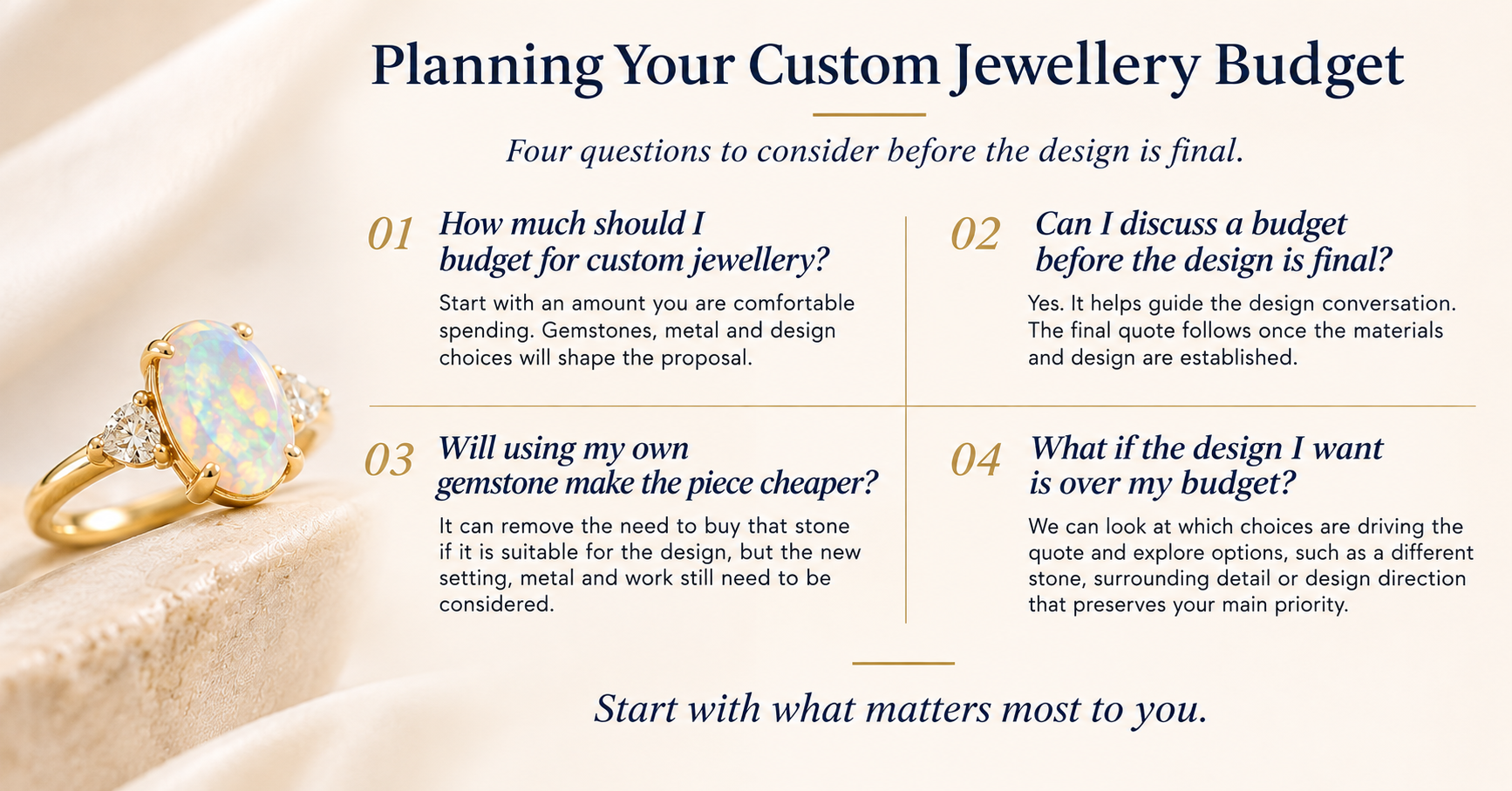
How much should I budget for custom jewellery?
Start with an amount you are comfortable spending and explain what you hope to create. I can discuss how the stones, metal and design choices affect the proposal. A useful budget is personal to you; a general online range cannot price your particular piece.
Can I discuss a budget before the design is final?
Yes. I recommend doing that early so the design conversation has a clear starting point. The final quote follows once the materials and design are established, rather than treating an early idea as a finished specification.
Will using my own gemstone make the piece cheaper?
It removes the need to buy that particular stone if it is suitable for the design, but it does not establish the total cost. The new setting, metal and work still need to be considered. Bring the stone so I can discuss the actual possibilities with you.
What if the design I want is over my budget?
Ask which choices are driving the quote, then compare changes that preserve your main priority. You might reconsider surrounding detail, explore a different stone or choose another design direction. You can also wait if the changes would take away what you love about the piece.
Talk through the priorities
Tell me what matters most. Bring the idea, the amount you feel comfortable spending and the detail you want to keep. I can explain the choices so you can decide which proposal feels right for you.
Book a consultation with me at my Ladner Village studio, and start with those priorities.